
Installing a Home EV Charger in Massachusetts: Cost, Permits, and What to Know
· By Alexandre Afonso
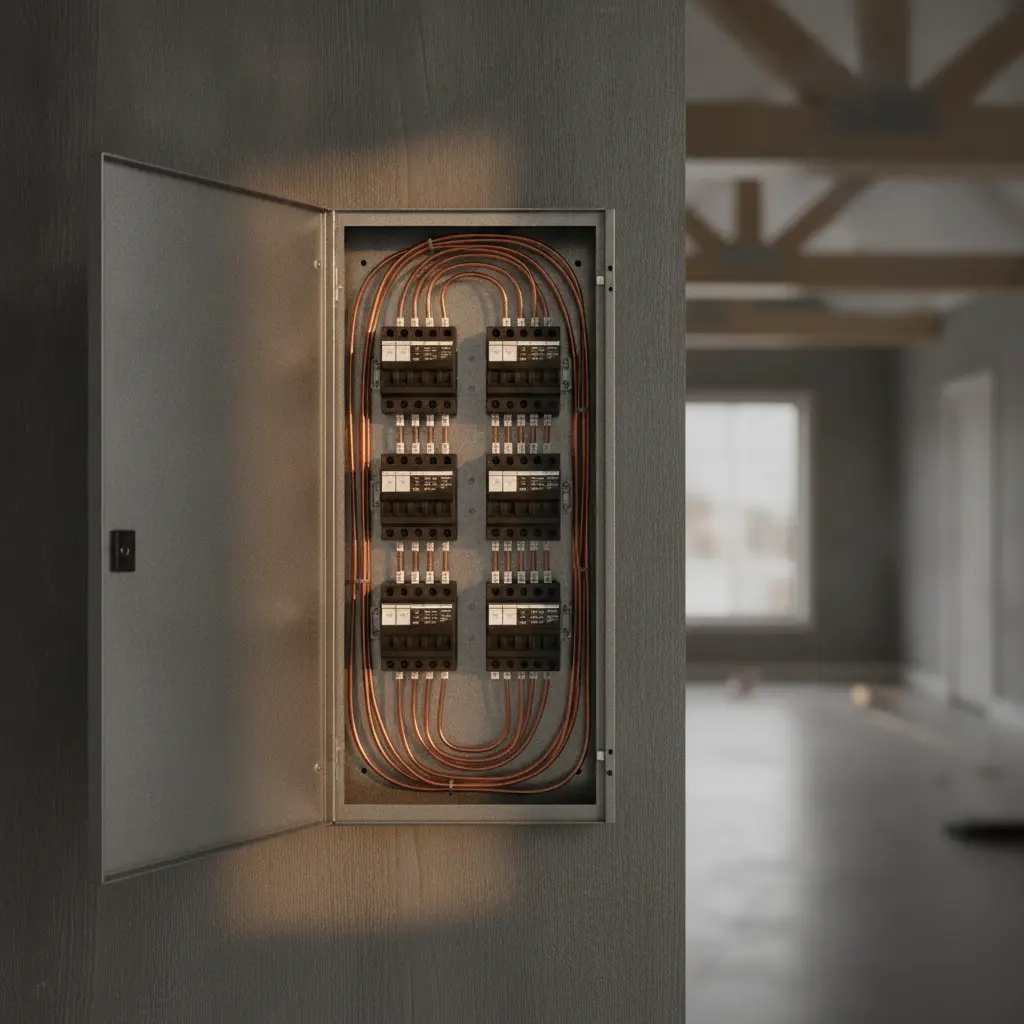
Charging at home is the whole point of owning an electric vehicle. Plug in overnight, wake up to a full battery, and skip the public charger hunt. But turning your garage or driveway into a proper charging spot is an electrical project, and doing it right depends on your home's panel, a permit, and a correctly sized circuit.
Massachusetts homeowners in the Greater Boston area are adding EV chargers fast, and most of the questions come down to the same handful of things: which charger level you need, whether your electrical panel can handle it, what the permit and rebate picture looks like, and what it costs. This guide walks through all of it.
Because our electrical work is done in-house, the same licensed team can check your panel, size the circuit, pull the permit, and mount the charger, rather than juggling a general contractor and a separate electrician. That matters a lot on EV work, where panel capacity is the make-or-break detail.
Level 1 vs Level 2: which charger you actually need
Level 1 is just the cord that comes with the car plugged into a standard outlet. It works, but it is slow, often adding only a few miles of range per hour, which can mean 20-plus hours for a meaningful charge. It is fine for a plug-in hybrid or a very light driver, but most EV owners quickly find it too slow.
Level 2 is the home-charging standard. Running on a 240-volt circuit, similar to an electric dryer or range, it typically adds tens of miles of range per hour and fully charges most vehicles overnight. For nearly everyone, a Level 2 charger on a dedicated circuit is the right call, and it is what most of this guide is about.
The real question: can your electrical panel handle it?
A Level 2 charger needs a dedicated 240-volt circuit, and that circuit draws a lot of continuous current. The first thing a licensed electrician checks is whether your panel has the spare capacity and an open double-pole slot to add it safely. This is where many EV projects hit their only snag.
If you are on older 100-amp service, or your panel is already full, adding a high-draw EV circuit may push the home past its safe limit. In that case a service upgrade to 200 amps often comes first. The good news is that we assess both in one visit, so you get a straight answer on whether it is a simple add or whether the panel needs attention first, instead of finding out halfway through.
Permits and inspection in Massachusetts
Installing a 240-volt EV charging circuit is electrical work that requires a permit and a municipal inspection in Massachusetts. This is not a step to skip. An unpermitted, uninspected high-draw circuit can be a safety and insurance problem, and it can surface later when you sell the home.
As a licensed electrical contractor, we pull the permit, install to code, and handle the inspection so the finished circuit is documented and signed off. That paperwork is part of what protects you.
Rebates and incentives worth checking
Massachusetts has offered utility and state programs that can offset part of the cost of home EV charging equipment and installation, and there have been federal incentives for EV charging at times as well. Program details, eligibility, and funding change, so the amounts are not something we can promise.
The practical step is to check your electric utility's current EV charging rebate and any active state or federal program before you buy the charger, since some rebates require using an approved device or a specific process. We are glad to install a charger that fits whatever program you plan to use.
What home EV charger installation costs
Installation cost swings mostly on distance and difficulty: how far the charger is from the panel, whether the run is an easy path or a hard fish through finished walls, whether the panel has room, and whether any upgrade is needed. A straightforward install with the panel right there in the garage sits at the low end, while a long run plus a panel upgrade sits much higher.
Because of that range, an honest price has to come from seeing the setup, so we give a written estimate after a free on-site visit, separating the charger, the circuit, and any panel work so you can see exactly where the cost is. Most standard Level 2 installs fall within a typical market range for this work, but the only real number is the one for your specific garage and panel.
Why the in-house electrical team matters here
EV charging is the kind of job where the panel and the circuit are the whole story, and that is squarely an electrical decision. Because we keep electrical in-house rather than subcontracting it, one licensed team evaluates the panel, sizes the circuit, handles any needed upgrade, pulls the permit, and mounts the charger. If a service upgrade is required, it is the same crew and one coordinated schedule, not two companies pointing at each other.
Frequently asked questions
- Do I need a permit to install a home EV charger in Massachusetts?
- Yes. Installing a 240-volt Level 2 charging circuit requires an electrical permit and a municipal inspection in Massachusetts. Skipping it can create safety, insurance, and resale problems. As a licensed electrical contractor we pull the permit and handle the inspection for you.
- Will my electrical panel support an EV charger?
- It depends on your panel size and available capacity. A Level 2 charger draws a lot of continuous current on a dedicated 240-volt circuit. Homes on older 100-amp service or with a full panel may need a service upgrade first. We check both in one visit so you get a clear answer up front.
- How much does home EV charger installation cost?
- It varies mainly with the distance from the panel, the difficulty of the wire run, and whether a panel upgrade is needed. A simple install near the panel is at the low end, while a long run plus an upgrade is higher. Most standard Level 2 installs fall in a typical market range, and we give a written estimate after a free on-site look.
- What is the difference between a Level 1 and Level 2 charger?
- Level 1 uses a standard household outlet and charges slowly, often only a few miles of range per hour. Level 2 runs on a 240-volt circuit like a dryer or range and charges far faster, typically filling most vehicles overnight. Level 2 is the home standard for most EV owners.
- Are there rebates for home EV chargers in Massachusetts?
- Massachusetts utilities and state programs have offered incentives for home EV charging equipment and installation, and federal incentives have existed at times too. Details and funding change, so check your utility and current programs before buying, since some require an approved device. We can install a charger that fits your chosen program.
- How long does it take to install a home EV charger?
- A straightforward Level 2 install near the panel is often completed in a few hours to most of a day. Longer wire runs or a required panel upgrade add time. Permitting and scheduling the inspection can add lead time before and after the physical install.
Related services
Found this helpful? Make us a preferred source on Google.
Ready for an exact price?
Get a free, no-pressure in-home estimate. Real numbers for your home, not a phone guess.